Table of Contents
Not all cowhide is created equal. The difference between an heirloom jacket that lasts 30 years and a stiff department-store piece that cracks within two years lies in the biological stratum of the hide and the tanning chemistry employed. This technical guide explores the cellular anatomy of cowhide and the science of the aging patina.
The Anatomy of an Animal Hide
To truly understand leather quality, one must look at a microscopic cross-section of a bovine hide, which consists of three distinct biological layers:
- The Grain (Epidermis Junction): The outermost layer of the hide, characterized by tightly interwoven collagen fibers. This density gives full-grain cowhide its legendary puncture resistance, water repellency, and natural breathability.
- The Junction Layer (Corium): Where the dense grain transitions into looser, looser fibrous tissue.
- The Flesh / Suede Layer (Deep Corium): The lowest layer of the hide, composed of loose, non-directional protein fibers. This is what is split away to produce cheap “genuine” and suede leathers.
Tanning Methodologies: Vegetable vs. Chrome Tanning
| Method | Tanning Agents | Characteristics | Aging & Patina |
|---|---|---|---|
| Vegetable Tanning | Natural tree barks, chestnut, mimosa, and quebracho tannins. | Firm, organic earthy scent; takes 30 to 60 days of artisan tanning. | Develops a legendary rich, golden-amber patina that darkens with sun and touch. |
| Chrome Tanning | Chromium sulfate mineral salts. | Supple, buttery, highly water-resistant; fast 1-day tanning process. | Retains consistent vibrant dye color across decades with minimal fading. |
Understanding the Patina Evolution
Unlike synthetic materials that degrade with use, authentic full-grain cowhide absorbs ambient oils, sunlight, and friction from your everyday movements. Over years of wear, high-friction areas (elbows, collar fold, cuff edges) burnish to a rich, glossy sheen while recessed creases develop subtle vintage character. This living patina cannot be replicated by artificial factory distressing — it is the unique fingerprint of your life lived in the jacket.

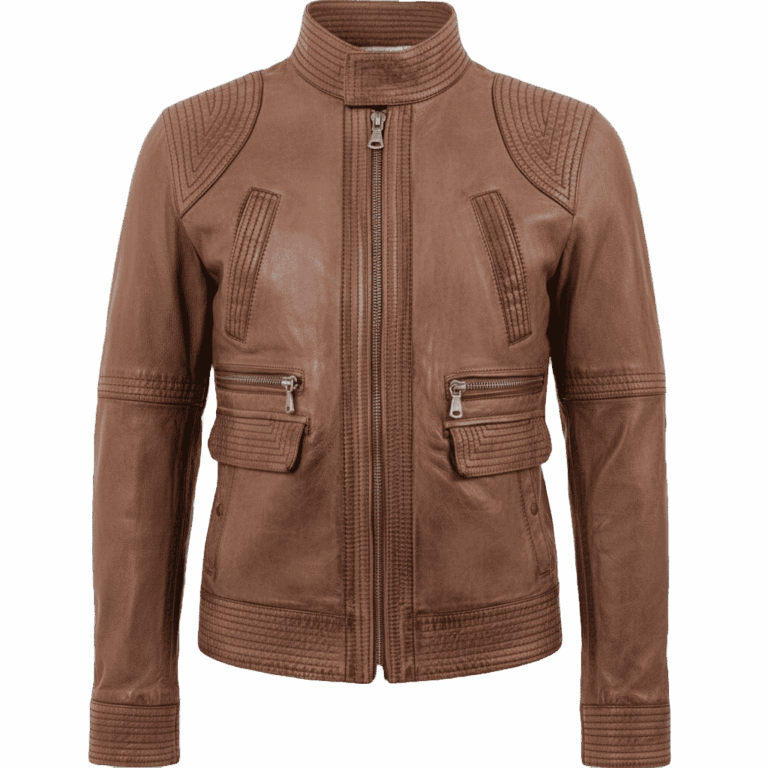
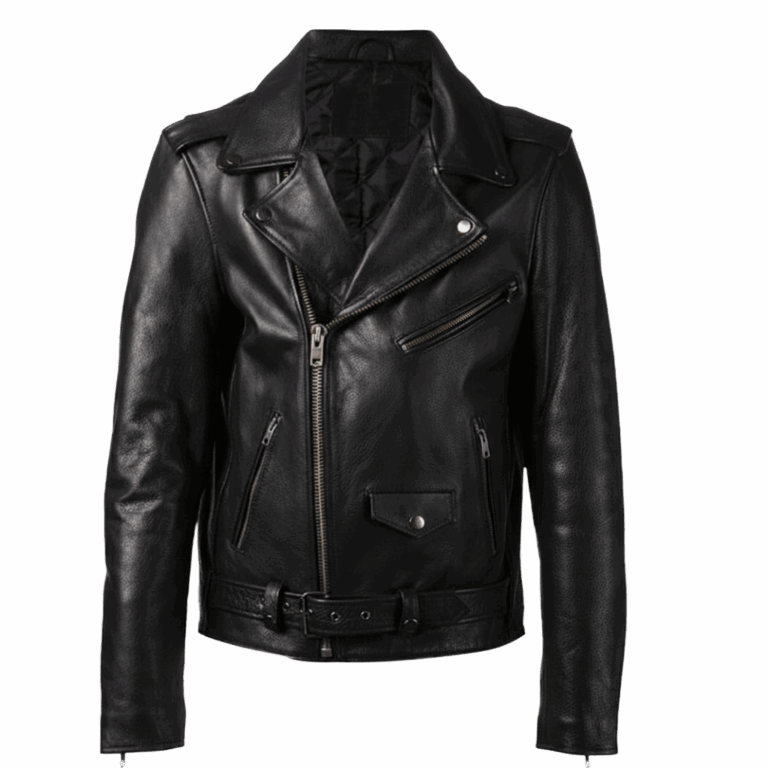
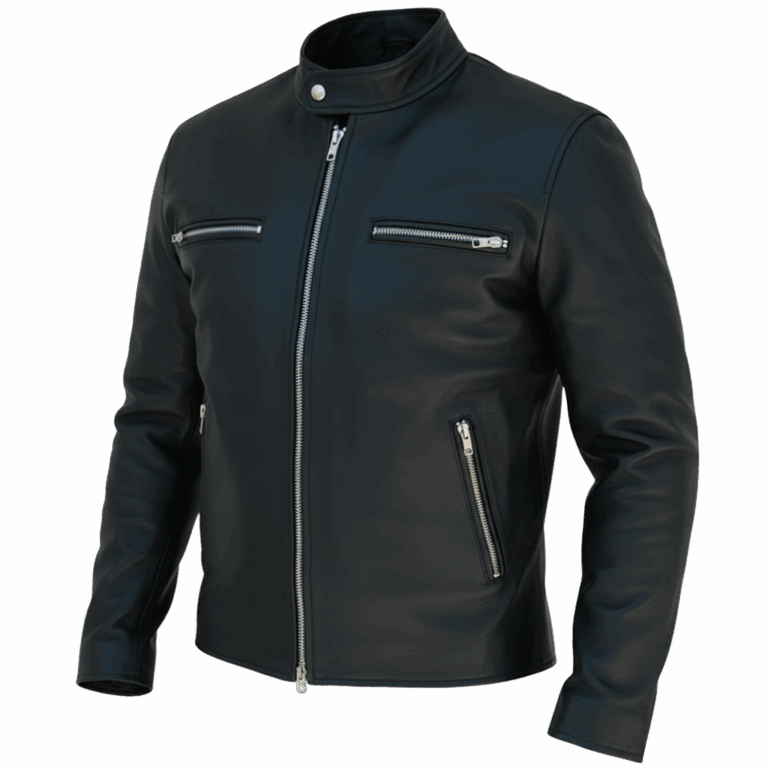
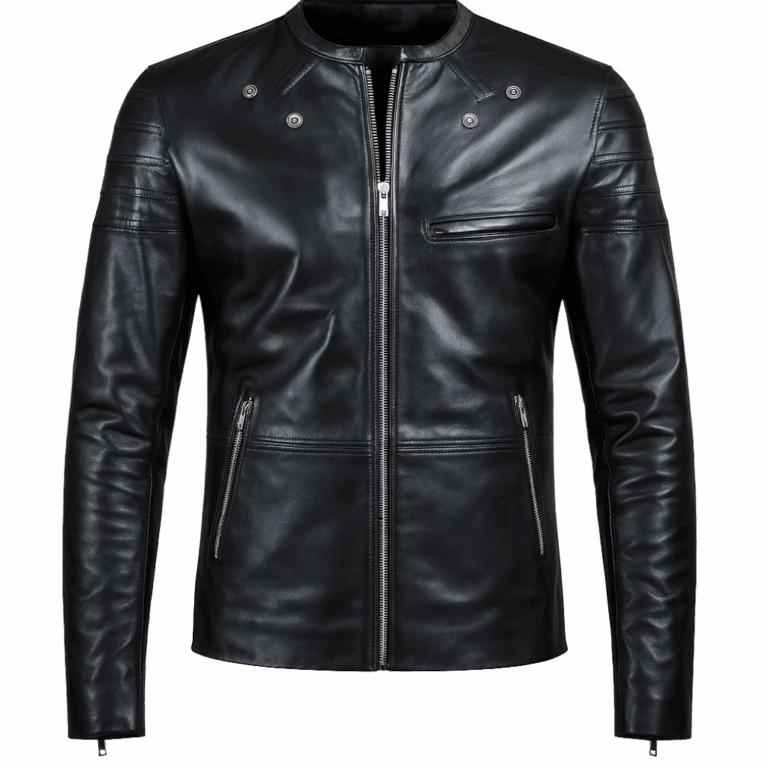
Frequently Asked Questions
Full-grain cowhide retains the complete natural outer epidermis of the animal hide without artificial buffing or chemical sanding. Its tightly packed collagen fiber matrix provides unmatched tensile strength, tear resistance, and breathability.
A heavyweight 1.2mm full-grain cowhide jacket typically takes between 15 and 30 wears to mold to the owner’s body shape. Once broken in, it acts like a second skin contoured uniquely to your anatomy.
Real cowhide leather is naturally water-resistant due to its natural oils and dense fibers, repelling light rain and snow. However, it is not completely waterproof and should never be submerged. If it gets wet, allow it to air-dry at room temperature away from radiators.
Authentic full-grain leather has unique organic pore structures, faint natural markings, an unmistakable rich earthy scent, and warm responsiveness to touch. Synthetic fake leathers feel plastic, have repeating identical stamp patterns, and crack over time.