Table of Contents
True luxury is not measured by logo branding, but by the tangible integrity of raw materials and the uncompromising standards of human benchcraft. In an era dominated by disposable fast fashion, this guide reveals the 8 strict benchmarks our master artisans follow to produce jackets built to endure for generations.
The 8 Hallmarks of Mastercrafted Leather Jackets
1. Hand-Selected, Whole-Hide Cutting
Commercial fast-fashion manufacturers use hydraulic die-presses that cut small scrap pieces of leather haphazardly across inferior belly sections of the hide. In contrast, master craftsmen inspect each hide under high-intensity raking light to evaluate grain density and stretch direction, cutting only the prime back and shoulder portions for main body panels.
2. Hand-Skived Seam Allowances
To prevent bulky, uncomfortable seams where multiple leather layers converge (such as lapel edges and pocket corners), master artisans use razor-sharp skiving knives to shave down the leather edges by fractions of a millimeter before stitching. This ensures sleek, comfortable, lay-flat seams.
3. Bonded Nylon Threading at 8 to 10 SPI
Standard apparel thread rots and degrades over time under tension. We utilize multi-ply bonded continuous-filament nylon and polyester threads sewn at a strict 8 to 10 stitches per inch (SPI) — the exact tension threshold that maximizes seam strength without perforating the leather grain.
4. Symmetrical Grain Matching
Every animal hide has unique pore patterns and grain character. Master cutters arrange left and right panels side-by-side to guarantee visual balance and symmetrical weight distribution across the chest and back.
5. Heavy-Duty Metal Hardware
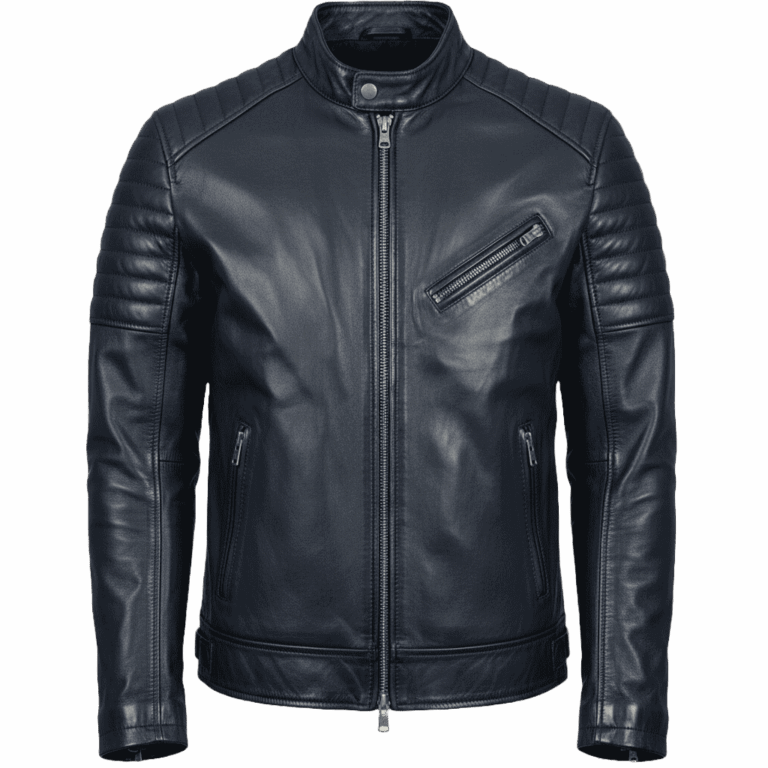
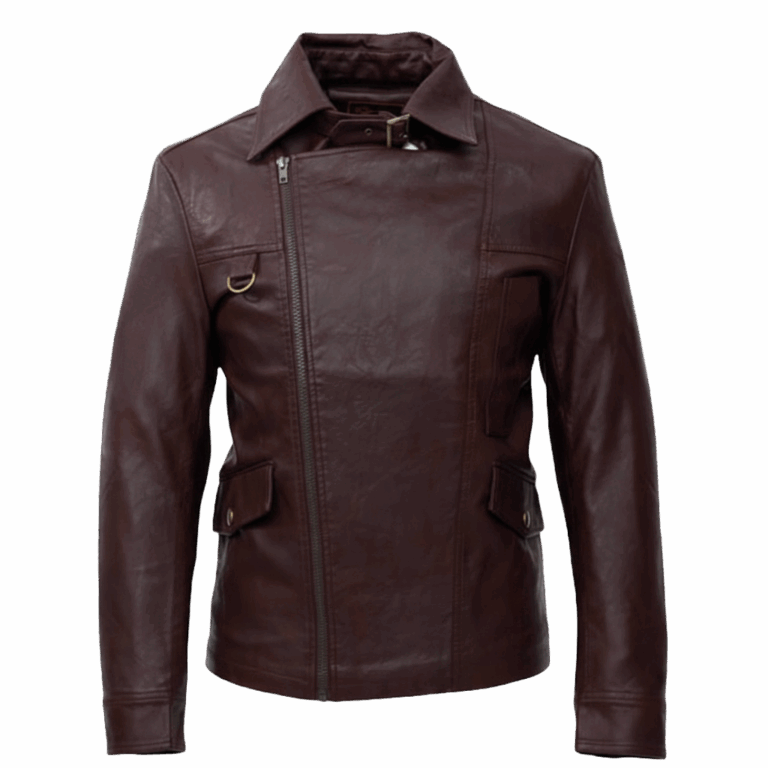
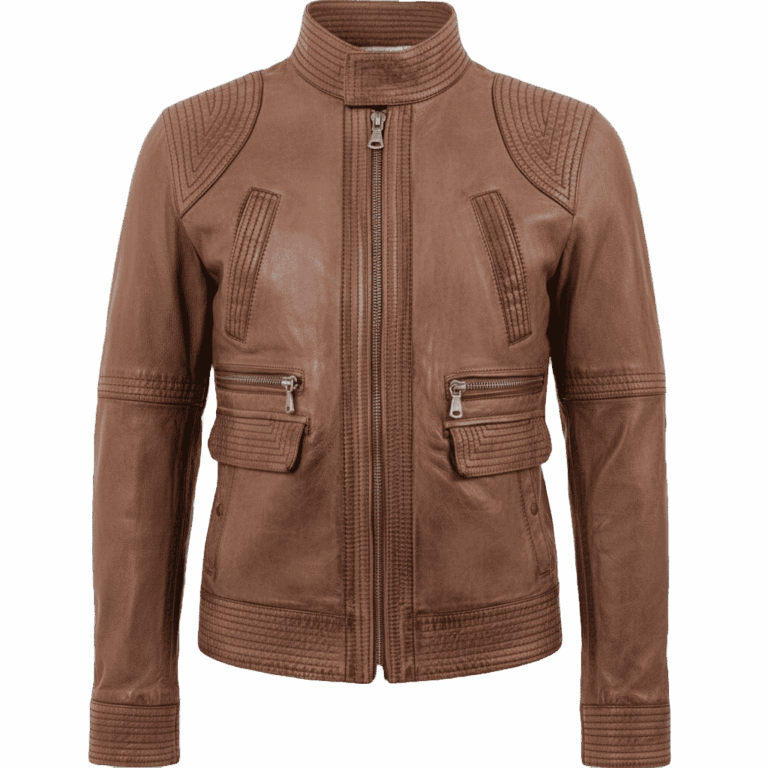
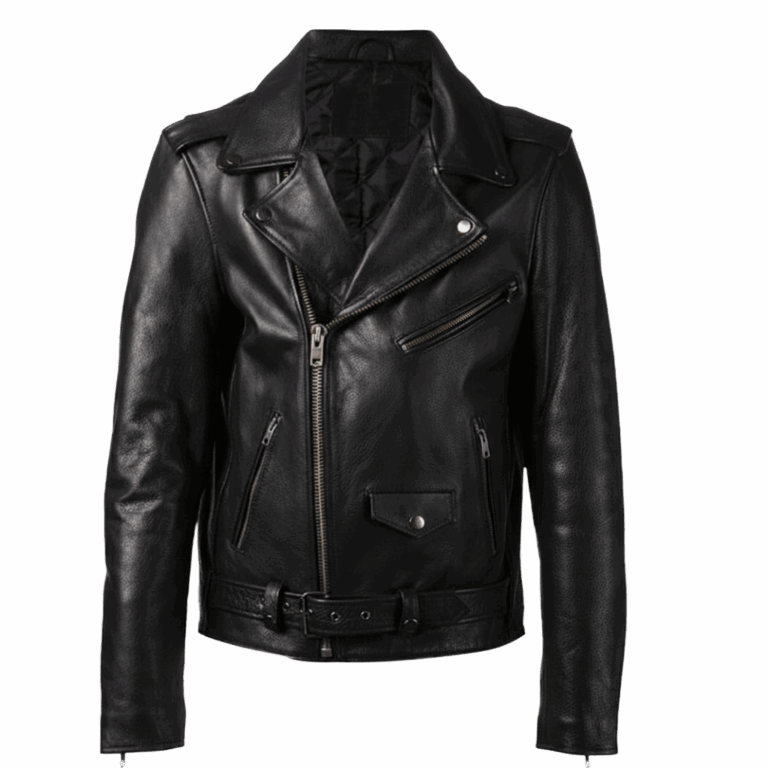
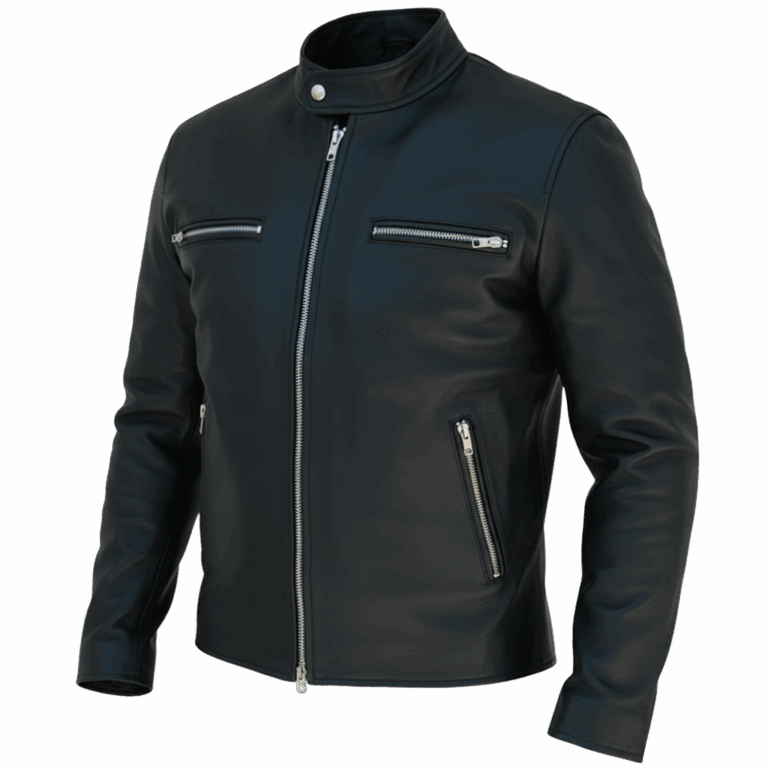
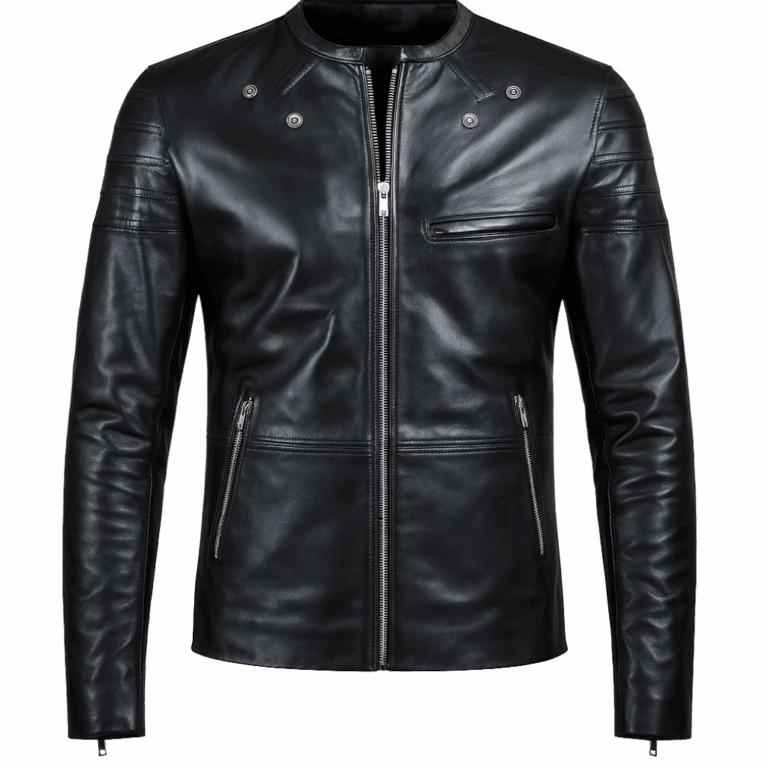
We use exclusively authentic YKK metal zippers, solid brass snap caps, and heavy steel buckle hardware designed to withstand tens of thousands of opening and closing cycles.
6. Reinforcing Leather Facings
Pockets and zip plackets are reinforced with interior leather facings and tear-resistant stay-tapes to prevent pocket-mouth sagging over decades of use.
7. Breathable, Low-Friction Linings
We line our jackets with high-thread-count silky viscose, satin twill, or thermal diamond-quilted polyfills that wick moisture and slide effortlessly over base layers.
8. Ethical Sourcing & Direct Workshop Transparency
Our hides are 100% by-products of the global food industry, tanned in certified facilities complying with strict environmental standards. Because we operate our own direct-to-consumer workshops, you receive heirloom bespoke quality without arbitrary middleman markups.
Artisan Mastercraft vs. Fast-Fashion Leather Jackets
| Quality Benchmark | Artisan Mastercraft (Leather Jackets USA) | Commercial Fast-Fashion Brands | Long-Term Longevity Impact |
|---|---|---|---|
| Hide Selection | Top 5% hand-selected full-grain cowhide, lambskin & sheepskin | Coated split leather, genuine leather or bonded PU scrap | Artisan leather develops rich patina; fast-fashion peels within 2 years |
| Cutting Methodology | Individual bench-cut whole panels matched for grain & drape | Mass hydraulic die-cuts across inconsistent belly hides | Ensures anatomical symmetry and prevents diagonal torquing |
| Seam Preparation | Hand-skived edges that feather seam bulk by fractions of a mm | Raw unskived folds creating bulky, lumpy seams | Flawless lay-flat comfort and friction-free movement |
| Stitching Specification | Continuous-filament bonded nylon sewn at 8-10 SPI | Low-tensile cotton/poly thread sewn at loose 4-6 SPI | Immune to seam failure or tension blowouts over decades |
| Zippers & Hardware | Heavy-gauge solid brass & antique nickel YKK metal zippers | Cheap lightweight zinc-alloy or plastic zippers | Never jams, splits or snaps under rigorous daily use |
Frequently Asked Questions
Skiving is the artisan technique of beveling the edges of leather pieces before sewing them together. This eliminates thick, awkward bulges at seam intersections, ensuring lapels, cuffs, and pockets lay completely flat and comfortable against the body.
Stitches per inch (SPI) dictates leather durability. If stitches are spaced too close (over 12 SPI), the needle perforations act like a postage stamp tear-line, weakening the hide. If spaced too far (under 6 SPI), the seam will gap and fray. 8 to 10 SPI is the universal golden standard.
Look for full grain pore depth, natural scent, substantial weight, and brand transparency. We source exclusively from certified tanneries that treat hides as valuable by-products of the food industry, avoiding artificial vinyl or hazardous chemical plasticizers.
Synthetic faux leathers use a polyurethane (PU) or PVC film bonded to a polyester backing fabric. Over 2 to 3 years, ambient moisture causes this plastic layer to oxidize, dry out, and flake off. Genuine full-grain leather is composed of dense biological collagen fibers that only grow stronger and more lustrous with conditioning.